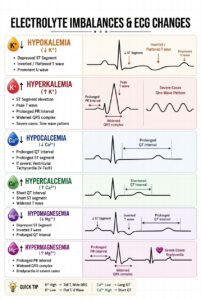
Electrolytes play a fundamental role in cardiac electrophysiology, and even slight imbalances in potassium, calcium, or magnesium can cause distinct, visible changes on an electrocardiogram (ECG). This comprehensive infographic serves as an essential clinical reference, breaking down exactly what to look for when interpreting ECGs for metabolic disturbances. For instance, Hypokalemia is classically marked by […]
10 Common Neurological Problems: A Guide to Aphasia, Apraxia, and More
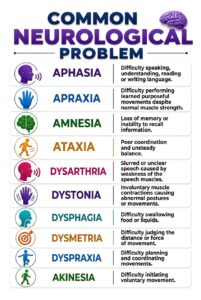
Neurological assessments can often reveal specific brain dysfunctions through distinct clinical signs, making it crucial for healthcare professionals to accurately distinguish between them. This visual guide breaks down 10 common neurological problems that frequently appear in clinical practice and exams. For instance, it is vital to differentiate between Aphasia (a language disorder affecting speaking, understanding, […]
Respiratory Assessment Cheat Sheet: From Eupnea to Ataxic Breathing
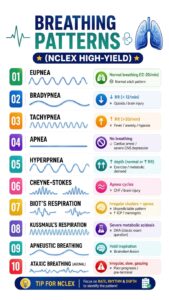
10 Breathing Patterns You Must Know for the NCLEX: Rate, Rhythm, and Depth Respiratory assessment is a critical skill in nursing and clinical practice, and recognizing abnormal breathing patterns can provide immediate clues about a patient’s underlying condition. This high-yield NCLEX guide breaks down the ten most common breathing patterns by focusing on three key […]
Coronary Arteries Anatomy at a Glance: A Guide to RCA, LCA, and Angiographic Views
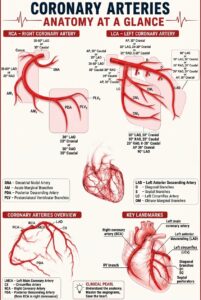
Coronary Arteries Anatomy at a Glance: A Guide to RCA, LCA, and Angiographic Views Understanding coronary artery anatomy is fundamental for interpreting angiograms and diagnosing cardiovascular disease. This comprehensive visual guide breaks down the coronary circulation into its two primary systems: the Right Coronary Artery (RCA) and the Left Coronary Artery (LCA). The RCA supplies […]
ECG Interpretation Cheat Sheet: Electrolyte Imbalances
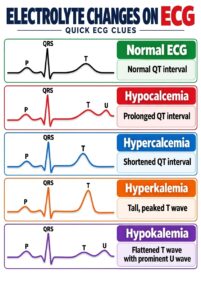
ECG Electrolyte Changes: Quick Visual Clues for Calcium and Potassium Imbalances Electrolyte imbalances can silently disrupt the heart’s electrical system, making the electrocardiogram (ECG) an invaluable diagnostic tool for catching these abnormalities early. As this quick ECG clues guide illustrates, specific changes in the waveform—particularly the QT interval and the T wave—can point directly to […]